

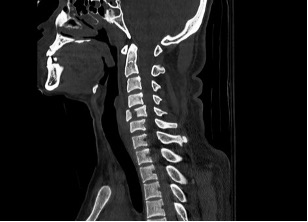
A cervical spine fracture occurs when one or more of the bones in the spine is broken. The fracture can be stable or unstable. A stable fracture means that the cervical spine surgery is probably not required and the spine will likely not crumble. An unstable fracture means that surgery and/or a brace might be needed to stabilize the spine.
SYMPTOMS OF CERVICAL SPINE FRACTURE
The symptoms of cervical spine fracture may include, neck pain shooting down the arm, tingling numbness in the arms or legs, weakness in the arm or legs, loss of balance. The specific symptoms in each case will depended where the fracture is and whether or not it s pinching the nerves or the spinal cord.
DIAGNOSIS OF CERVICAL SPINE FRACTURE
Many people with cervical spine fractures are often diagnosed in the emergency room after a traumatic event such as a car accident, a fall or a sports related injury. A cervical spine fracture can sometimes be seen on an X-ray of the cervical spine but more commonly seen on a CT scan of the cervical spine.
TREATMENT FOR CERVICAL SPINE FRACTURE
Depending on the type of fracture, cervical spine fractures can be treated with out surgery or with surgery depending on whether the fracture is stable or not stable.
NON SURGICAL TREATMENT FOR CERVICAL SPINE FRACTURE
Some stable cervical spine fractures do not require any treatment. Some may require the a brace be worn. Your neurosurgeon can help determine if you need a brace or not and for how long you need to wear the brace.
SURGICAL TREATMENT FOR UNSTABLE CERVICAL SPINE FRACTURE
The surgical treatment for unstable cervical spine fracture usually involves decompression and fusion. During the surgery your neurosurgeon may need to remove portions of the fracture pinching the nerves and stabilize the spine across the fracture with screws and bone graft.